How to Build an Affiliate Business With Influencer Marketing Without Showing Your Face
Why Faceless Affiliate Marketing Works
When most people hear the term "influencer marketing without showing your face," they assume it is a contradiction. We have been conditioned to believe that influence requires a camera-ready personality, a polished Instagram feed, or a charismatic YouTube presence. But the reality is far more practical. Some of the most profitable affiliate sites on the web are built by people who have never appeared in a single video or shared a selfie. They rely on SEO, content quality, and strategic use of tools like AI content generators to build trust and authority without ever stepping in front of a lens.
In my early days of affiliate marketing, I felt the same pressure. I thought I needed to become a mini-celebrity to earn passive income through product reviews and niche sites. Then I discovered that Google does not care about your face. It cares about relevance, helpful content, and site authority. That realization changed everything. Today, I want to walk you through how you can build a real, income-generating affiliate business using exactly this approach.
Starting With a Niche Site and Long-Tail Keywords
The foundation of any faceless affiliate business is a focused niche site. Instead of trying to cover everything, pick a specific area where you can offer genuine value. For example, instead of a general tech review site, focus on "budget noise-canceling headphones for remote workers." This narrow focus lets you rank for long-tail keywords that actual buyers search for. Tools like Ahrefs and Semrush help you find these keywords and gauge their traffic potential.
When I started my first niche site, I spent two weeks researching long-tail keywords related to indoor gardening supplies. I found dozens of queries like "best LED grow lights for small apartments" and "automated watering systems for beginners." Each of those keywords represented a person ready to buy. By building content clusters around those topics, I was able to gain traction without any social media presence.
Building Content With AI Writing Tools
One of the biggest barriers to entry in affiliate marketing has always been the sheer volume of content needed. You cannot rank for meaningful keywords with a handful of articles. You need dozens, sometimes hundreds of pages. That is where AI content generators become a practical asset. They help you produce first drafts, outlines, and even full product comparisons that you can then edit and personalize.
I use AI writing tools to create the structural backbone of my articles. For example, I might ask the tool to generate a list of pros and cons for a specific product review, or to draft a comparison table between two competing items. Then I go through each piece, add my own insights, adjust the tone, and verify the facts. This hybrid approach cuts my writing time in half while maintaining quality. The key is to never publish raw AI output. Google Search Console will quickly show you if your content lacks depth, so treat the AI as a collaborator, not a replacement.
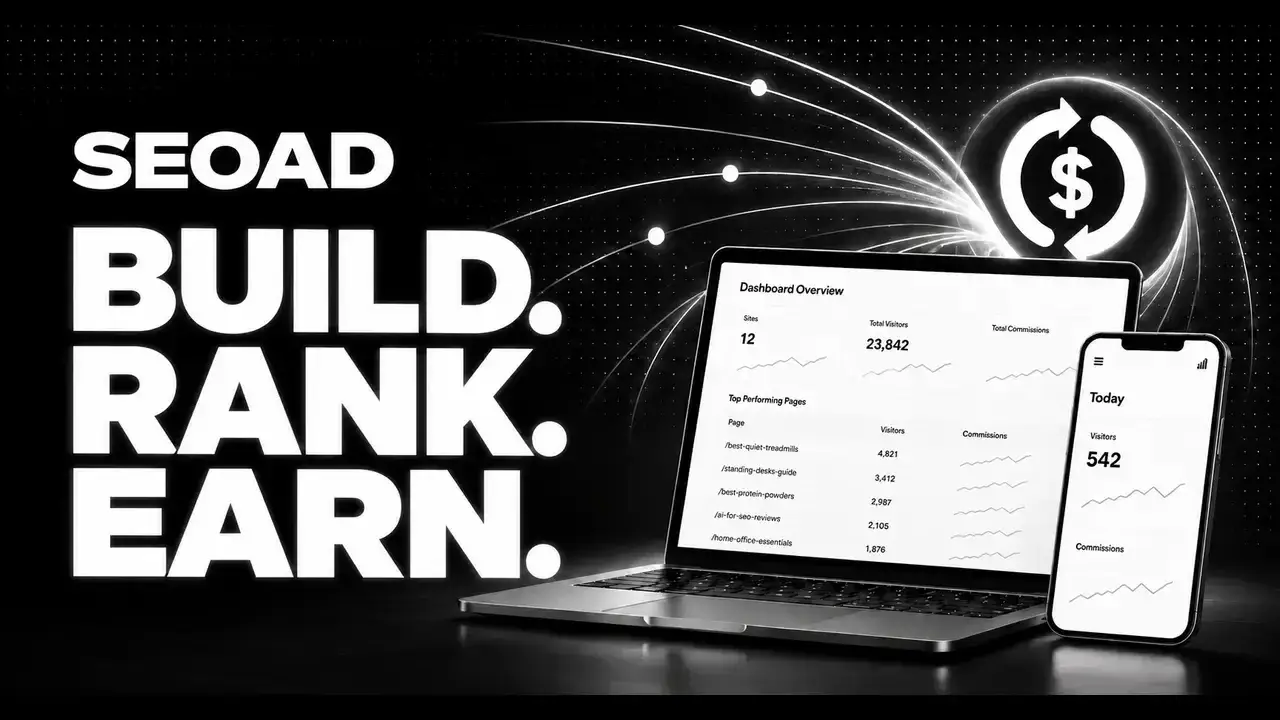
This is where the concept of influencer marketing without showing your face really clicks. You are still creating influence through your words, your research, and your ability to answer questions better than anyone else. Your audience never needs to see you. They just need to trust your recommendations.
Monetization Through Affiliate Networks
Once you have content, you need affiliate programs that pay. The two most common starting points are Amazon Associates and ClickBank. Amazon Associates works well for physical products you can review. ClickBank is better for digital goods, courses, and software. Both allow you to earn commissions without ever revealing your identity.
I recommend starting with one network and getting comfortable with their linking tools and reporting dashboards. For my first site, I used Amazon Associates exclusively. I learned how to use their native ad units and deep linking features to send traffic directly to product pages. Over time, I added ClickBank offers for related digital products like gardening planners and online courses. That mix of physical and digital commissions created a stable passive income stream.
Faceless YouTube Channels and Dropshipping Alternatives
Another route to explore is the faceless YouTube channel. You can create product review videos using stock footage, screen recordings, or voiceovers without ever showing your face. These videos can drive traffic to your niche site or directly to affiliate links. I have seen channels in the tech and home improvement spaces grow to tens of thousands of subscribers purely through useful content and consistent uploading.
Dropshipping is often mentioned in the same breath as affiliate marketing, but they are different models. With dropshipping, you hold inventory risk and handle customer service. Affiliate marketing removes those headaches. You simply refer sales and collect commissions. For someone aiming for passive income without operational complexity, affiliate marketing is the cleaner choice.
Building Site Authority With Backlinks and SEO
No matter how good your content is, you will not rank without site authority. This is where backlinks come in. You need other websites to link to your articles. Start by creating genuinely useful resources: a comprehensive guide, a free tool, or a data-driven study. Then reach out to bloggers and smaller publishers in your niche. Offer them a reason to link to you.
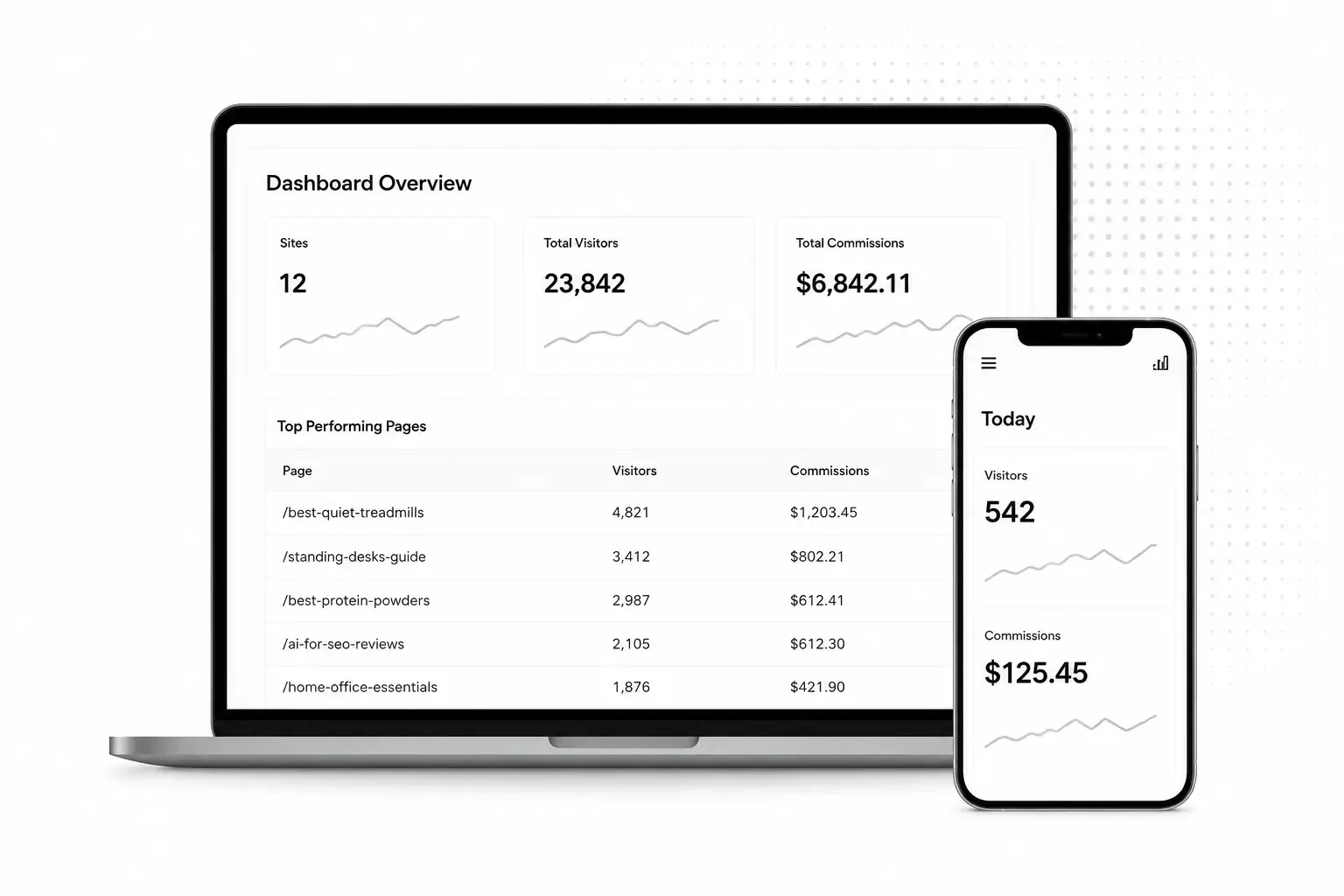
I built my first batch of backlinks by writing a roundup post that included expert quotes from other niche site owners. I then emailed each person to let them know they were featured. Many of them shared the post or linked to it from their own sites. That small campaign moved my domain authority from zero to something respectable within a few months. Using Google Search Console, I tracked which backlinks were driving the most referral traffic and doubled down on those relationships.
Content Clusters and the Power of WordPress
WordPress remains the best platform for building a niche site. It gives you full control over SEO settings, speed, and layout. I use it paired with a lightweight theme and a solid caching plugin. The real strategy, though, lies in content clusters. Instead of writing random articles, group related posts around a central pillar page. For example, if your niche is "home composting," your pillar page might be "The Complete Guide to Home Composting." Then you write cluster articles on "best compost bins for apartments," "how to compost without odor," and "composting mistakes beginners make." Each cluster article links back to the pillar, and the pillar links out to them.
This structure signals to Google that you are an authority on that topic. It also keeps visitors on your site longer, clicking between related articles. I have seen sites double their organic traffic within six months of implementing content clusters.
Putting It All Together: A Realistic Path Forward
Let me give you a concrete example of how this works end to end. Suppose you choose a niche: ergonomic office accessories. You set up a WordPress site and use AI writing tools to draft ten product reviews for items like standing desks, monitor arms, and ergonomic chairs. You research long-tail keywords like "best under-desk treadmill for short people" and write a dedicated article for each. You join Amazon Associates and link each product to its Amazon page. Over the next few months, you build backlinks by guest posting on productivity blogs and participating in relevant forums. You use Google Search Console to monitor which pages are getting impressions and clicks, then improve those pages further.
Within six to twelve months, you start seeing consistent commissions. No face, no video, no social media following. Just solid SEO and helpful content. That is the core of influencer marketing without showing your face. It is not a shortcut. It is a different path, one that rewards patience and precision over personality.
Trade-Offs and Honest Advice
I will be honest: this approach takes longer than building a personal brand on social media. You will not see results in a week. But the upside is that your income is not tied to your appearance, your schedule, or the whims of an algorithm that changes every month. Your site is an asset you own. You can step away for a week and traffic still arrives. That is the definition of passive income.

The main trade-off is that you must be comfortable working behind the scenes. You will not get public recognition. You will not have followers commenting on your posts. But if your goal is financial independence rather than fame, this model works. Many of the most successful affiliate marketers I know are completely anonymous to their audiences. They are known only by the quality of their recommendations.
In my view, the future of affiliate marketing belongs to people who can combine SEO fundamentals with smart use of AI. The days of needing a camera and a charismatic face are fading. The internet is full of people who want answers, not personalities. If you can provide those answers through well-researched content and proper technical setup, you can build a lasting business.
So if you have been hesitating because you do not want to be on camera, let this be your encouragement. Influencer marketing without showing your face is not only possible, it is a smart, sustainable way to earn online. Pick your niche, start writing, and let the search engines do the rest.
Corrections
Spot something wrong? Send it to the desk and it gets fixed in the open.